Croatia holidays: Food & drink
Discover local Croatian dishes and what to expect when dining in Croatia
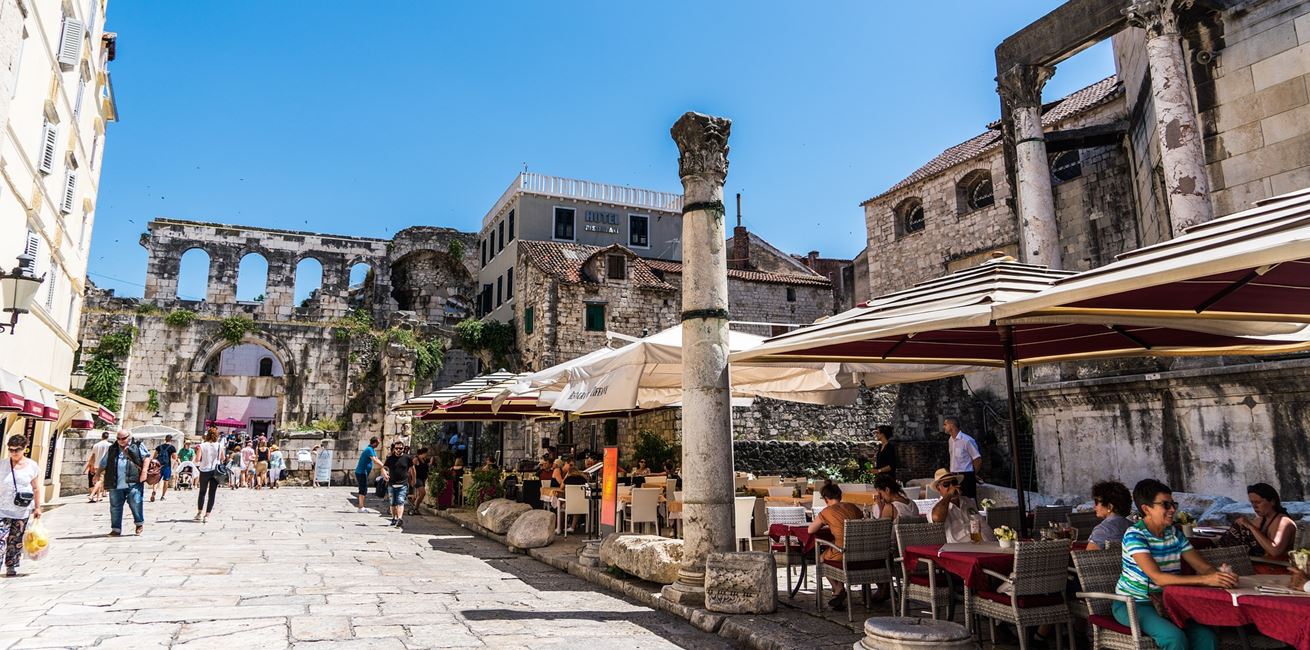
Croatia straddles two distinct culinary cultures, resulting in a varied and distinctive choice of dishes built from wonderfully fresh ingredients. Mediterranean seafood sits comfortably alongside Central European comforts, from schnitzel to strudel.
A new generation of chefs is bringing a more adventurous approach to Croatian cooking, with plenty of smart, contemporary places to try it.
You'll also find excellent Croatian wines, some winning awards internationally, along with a good line in fierce local spirits.
Croatians typically place more importance on lunch than dinner, often eating later in the afternoon. Many places offer brunch options between 10.30 and midday: smaller portions of lunch fare, sometimes with seasonal specials.
Broadly, you'll come across three types of places to eat: a Restoran (restaurant), a Gostionica (often more informal, with simpler fare and lower prices), and a Konoba (tavern) which tends to serve hearty local dishes and attracts plenty of locals.
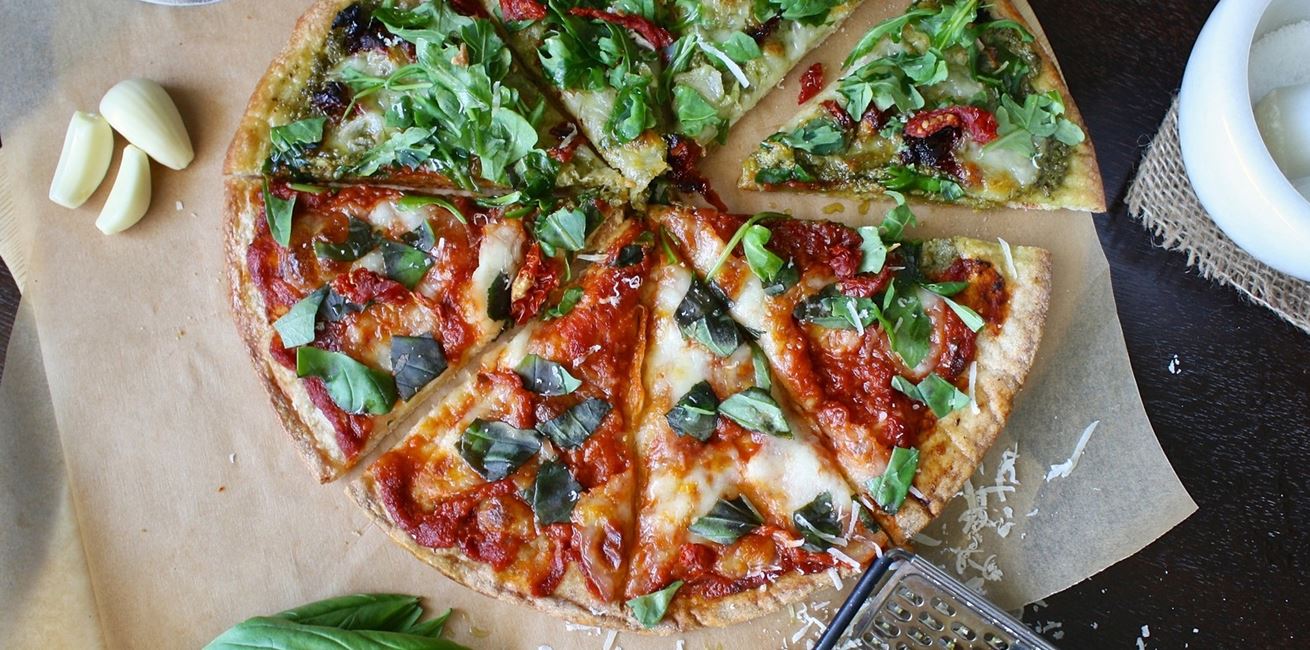
Pizza is hugely popular, usually thin-crust and Italian-inspired, often with regional toppings, including seafood. Sharing food and drink is part of everyday Croatian life, and with such a fine climate for long, lazy alfresco lunches, it's easy to see why.
Breakfast
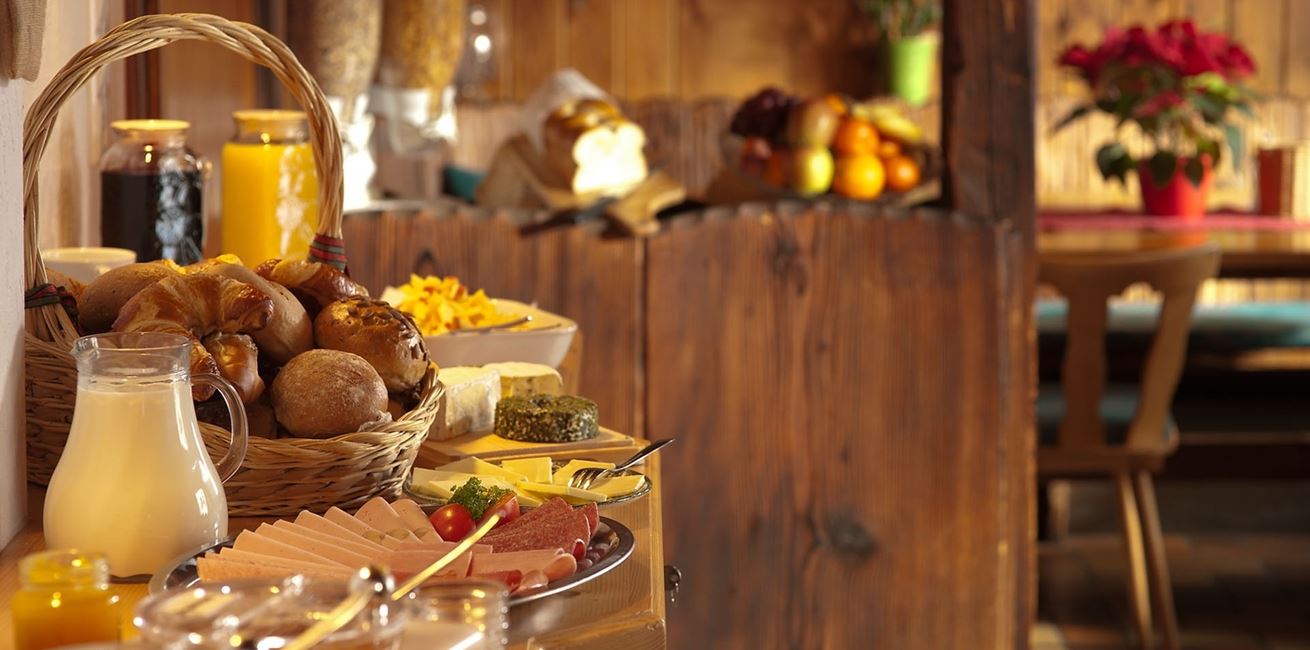
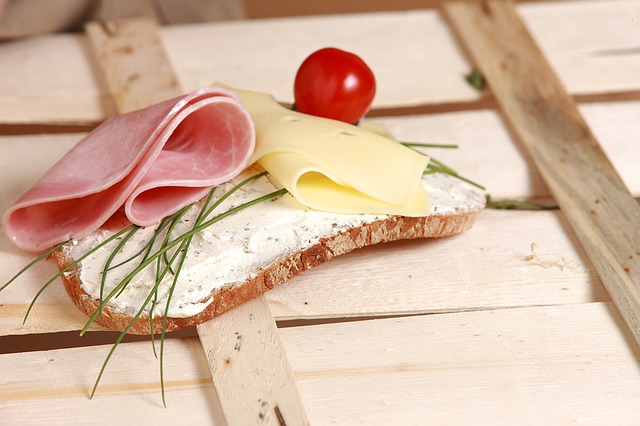
Eating out for breakfast isn't a big part of Croatian culture (lunch is the day's main meal), so it's not offered everywhere. When it is, expect something simple: bread, local ham, cheese, butter and jam.
Coffee is typically a strong black espresso and usually very good quality. If you prefer something softer, ask for kava sa mlijekom (or makijato) for a little milk, kava sa šlagom for cream, or bijela kava for something closer to a café latte.
Tea is often herbal. For British-style black tea, ask for crni čaj (or indijski čaj), and add sa mlijekom if you'd like milk.
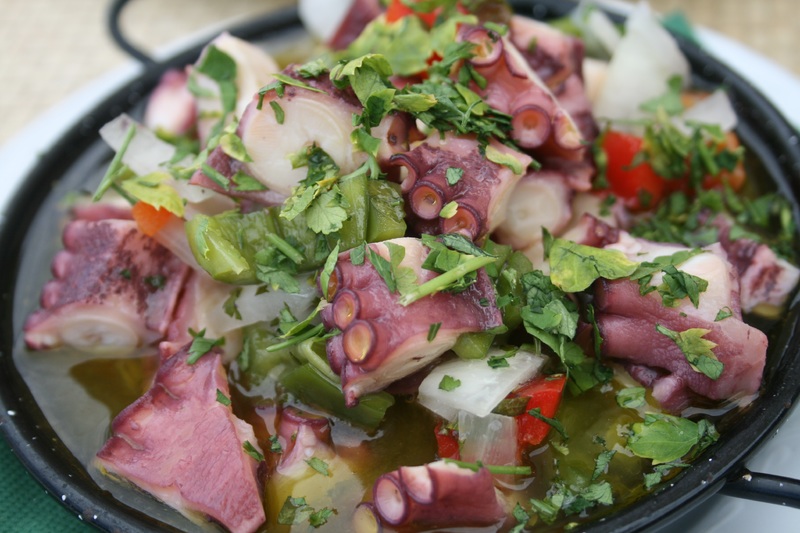
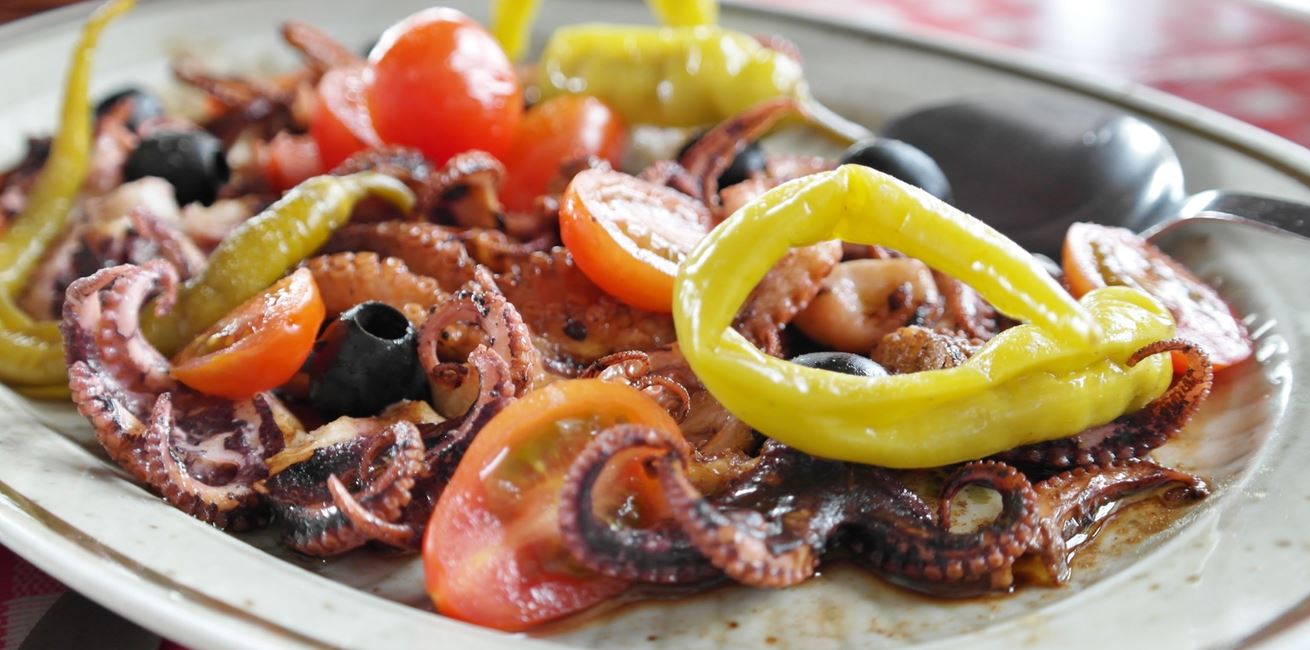
Octopus salad Salata od hobotnice
Loved along the Dalmatian coast, octopus salad is often served as a starter, a side, or a light meal on a hot day.
Recipes vary, but the classic version is simple: octopus, onion, tomato, olive oil and lemon. Done well, it should be tender rather than chewy.
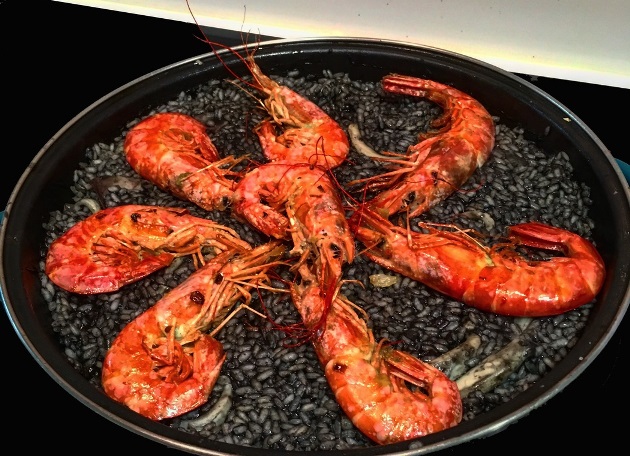
Black risotto Crni rižot
A coastal favourite, black risotto is usually made with cuttlefish (sometimes squid) and appears on menus all along the Dalmatian shore.
It's intensely savoury and dyed black using the cuttlefish ink added near the end of cooking.
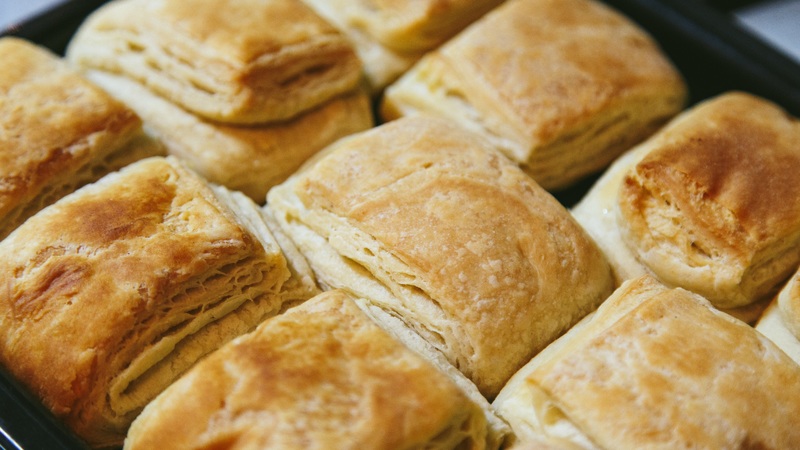
Štrukli Filled pastry
Štrukli is a comforting pastry dish filled with cottage cheese and sour cream, prepared either baked or boiled.
Common in Zagreb and the Hrvatsko Zagorje region, baked pečeni štrukli are cooked in a dish until softly set, somewhere between a cheese soufflé and lasagne.
Modern variations might include truffles, or sweeter versions with cheese and blueberries.
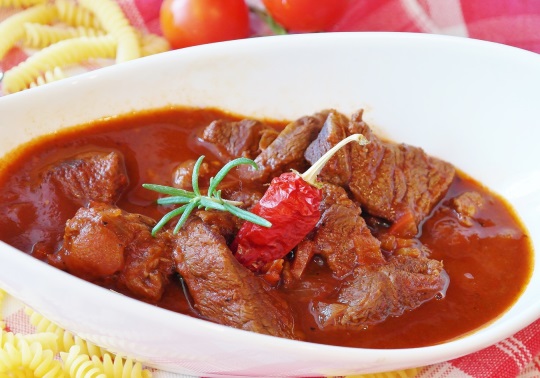
Pašticada Slow-cooked beef
A traditional Dalmatian dish of slow-cooked beef in a rich, sweet-and-sour sauce, often served with gnocchi or homemade pasta.
It's the sort of dish that rewards time: the beef is typically marinated (often up to two days) before being braised slowly with vegetables for several hours.
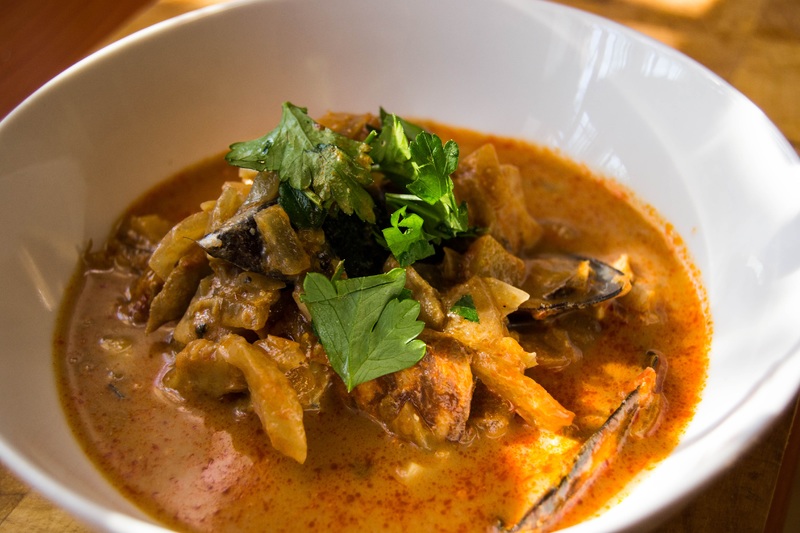
Brodet Fish stew
Brodet (also called brudet or brodeto) is a classic Dalmatian "one pot" seafood stew made with several types of fish.
The ingredients are usually layered rather than stirred, helping to keep delicate fillets intact. It's commonly served with polenta to soak up the sauce.
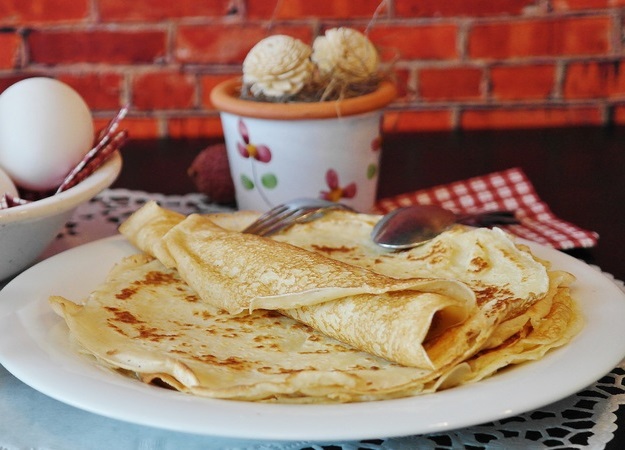
Palačinke Pancakes
Thin, crêpe-like pancakes with endless filling options. You'll often see them served with jam, chocolate sauce or walnuts, but cafés and dessert spots may get more inventive.
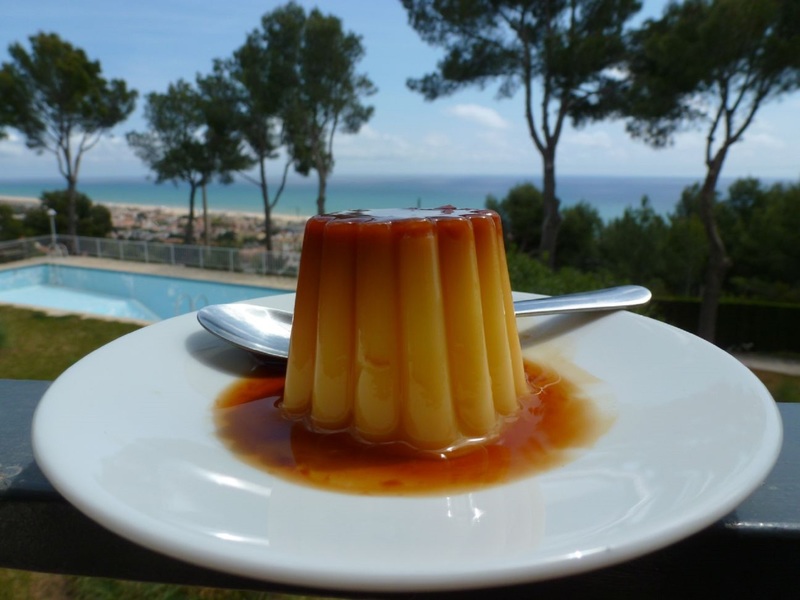
Rožata Crème caramel
From the Dubrovnik region, rožata is a caramel custard pudding with a gentle citrus note. If you like flan or crème brûlée, you'll likely enjoy this, ideally alongside a coffee.
Spirits
Rakija (pronounced rah-key-ya) is widely considered Croatia's national drink: a fruit brandy that is often homemade. In parts of Istria and Dalmatia it's commonly made from grapes and may be referred to locally as trapa or grappa.
It's usually clear unless infused with herbs or fruit, and often around 40% ABV, though home-produced versions can be stronger. You may be offered a small aperitif before a meal. Common varieties include šljivovica (plum), travarica (herbal), kruškovac (pear), orahovac (walnut) and lozovača (grape). You may also see pelinkovac (bitter herbal, sometimes compared to Jägermeister), borovnica (blueberry liqueur) and biska (a mistletoe-flavoured spirit from Istria). Maraschino is also produced in Croatia, particularly around Zadar.
Wine
Vineyards were introduced to parts of the Croatian coast in antiquity, and winemaking has flourished ever since. The industry has gathered pace again in recent years, with more producers focusing on quality and regional identity.
Croatia produces hundreds of wines. Locally, you may notice a habit of diluting wine: in the south, bevanda is wine mixed with water; in the north, gemišt is white wine topped with sparkling mineral water.
While international varieties exist, it's the indigenous (or near-indigenous) grapes that are most interesting. Notable examples include Plavac Mali (red) from the Pelješac Peninsula, and whites such as Pošip (Korčula and Pelješac), Grk (Korčula), Malvazija (Istria) and Graševina (interior). Prošek is a sweet dessert wine most associated with Dalmatia.
Beer
Most Croatian beer is light lager. The best-known names include Karlovačko (from Karlovac), Ožujsko (often called Žuja) and Pan.
You may also come across Osječko (from Osijek), the dark beer Tomislav, and the widely available Slovenian Laško.
Details are shared in good faith and reflect our knowledge at the time of writing. Menus, opening times and availability can change, particularly outside peak season.