
Croatia holidays: Weather and Climate
Croatia climate and best time to visit
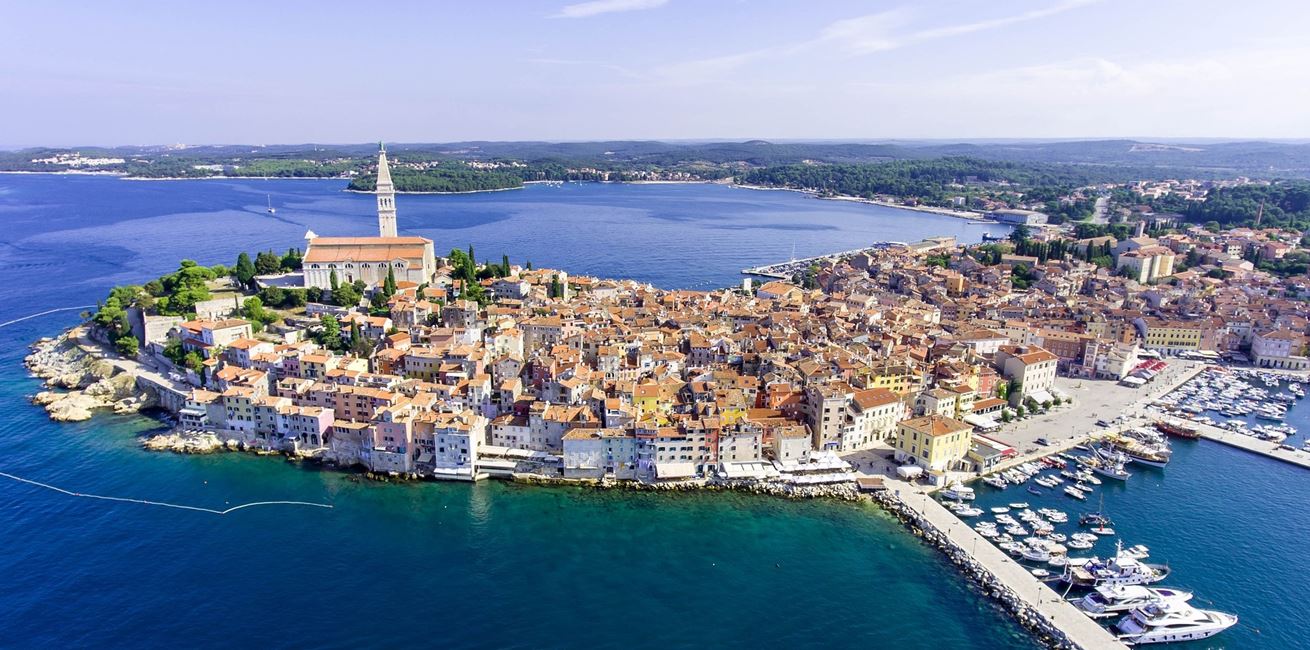
Croatia's climate is shaped by its geography, with mountains, plains, forests and a long Adriatic coastline creating clear regional differences.
Broadly, Croatia falls into two principal climate regions: Mediterranean along the coast, and Continental inland. There are local variations too, including the mountainous Dinara region, where altitude and forest cover bring a more alpine feel.
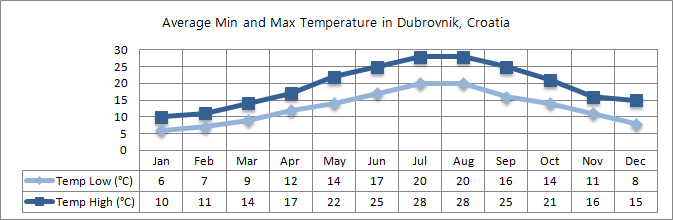
On the Adriatic coast you can expect hot, dry summers and cooler, wetter winters. Summer temperatures average around 26-30°C on the coast (22-26°C inland, 15-20°C in the mountains). Winter temperatures are typically 5-10°C on the coast, around -1 to 3°C inland, and -5 to 0°C in the mountains.
High season (July & August)
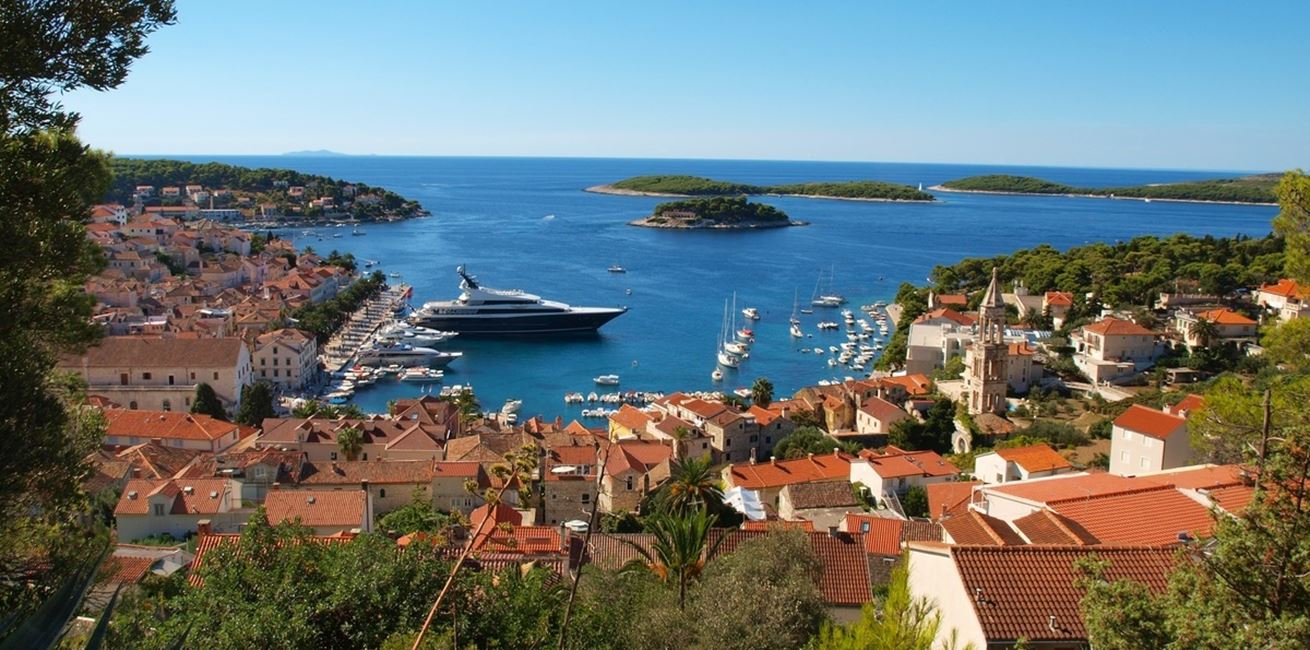
July and August bring the hottest, driest weather and attract the most visitors, with ideal water temperatures for swimming. Hvar typically sees the most sunshine, followed by areas such as Split, Korčula and Dubrovnik. Prices are at their highest and coastal towns are at their busiest, with open-air cultural events and a lively evening scene.
Best for: guaranteed heat & peak-season atmosphere
Mid season (May, June, September & October)
The shoulder months usually bring warm, sunny days that suit swimming, boating and relaxed beach time, with many tourist facilities still running but noticeably fewer crowds and often better value. It's also an excellent period for outdoor activities such as hiking, mountain biking, rafting and sea kayaking. In spring and early summer, the steady maestral wind is particularly good for sailing.
Best for: warm weather with breathing space
Low season (November to April)
Winters in continental Croatia are cold and prices are typically lower. Zagreb can feel especially festive at Christmas, even with snow, and there are options for skiing too. Along the coast, many hotels and attractions close for winter and the weather turns cooler and changeable.
Best for: city breaks & off-season value
Figures are approximate and intended as a general guide. Weather can vary by region and year.