Croatian culture
Croatia sits at the
meeting point of Central Europe and the Adriatic, bordering
Hungary, Slovenia, Bosnia and Herzegovina, Serbia and Montenegro,
with Italy across the sea. That geography shows up in everything
from architecture and food to language and everyday habits.
The majority of people
are Croats, alongside minority communities including Serbs,
Hungarians and Roma. Croatian is a South Slavic language, and many
Croatians speak at least one other language; English and German are
commonly heard in coastal areas, with Italian also widely
understood in parts of Istria and the Kvarner.
Croatia has no
official religion, and freedom of religion is protected by the
Constitution. The population is predominantly Roman Catholic, with
Orthodox Christian, Muslim and Jewish communities, particularly in
larger cities such as Zagreb.
The Catholic Church
has played an important role in Croatian society and history,
including education and cultural life. In the post-war communist
period, relations between the Church and the state were often
difficult, and the public role of religion changed over time.
Many Croatians have a
strong connection to religious tradition, including devotion to the
Blessed Virgin Mary (often referred to as "Gospa"). Public holidays
include Christmas, Epiphany, Easter Monday, Assumption, All Saints'
Day and Corpus Christi, alongside St Stephen's Day (Boxing
Day).
Family life is central
for many people, with close ties across generations. Weekends are
often reserved for family meals, gatherings and time outdoors.
In more formal
settings, greetings tend to be courteous and straightforward: a
handshake, eye contact and a greeting appropriate to the time of
day. Unless invited to do otherwise, it's usual to address someone
by title and surname rather than first name.
If you're invited to
someone's home, a small gift such as good wine, chocolates or
flowers is appreciated. Florists will often advise on local custom;
in many places, certain flowers and even-numbered bouquets are
associated with funerals.
Good to know: a warm greeting and a little courtesy go a long
way
Croatian history
Croatia's story is
layered, shaped by the Adriatic, the hinterland and a long history
of shifting borders and influences. While scholars debate aspects
of the early medieval period, the coastline and cities make the
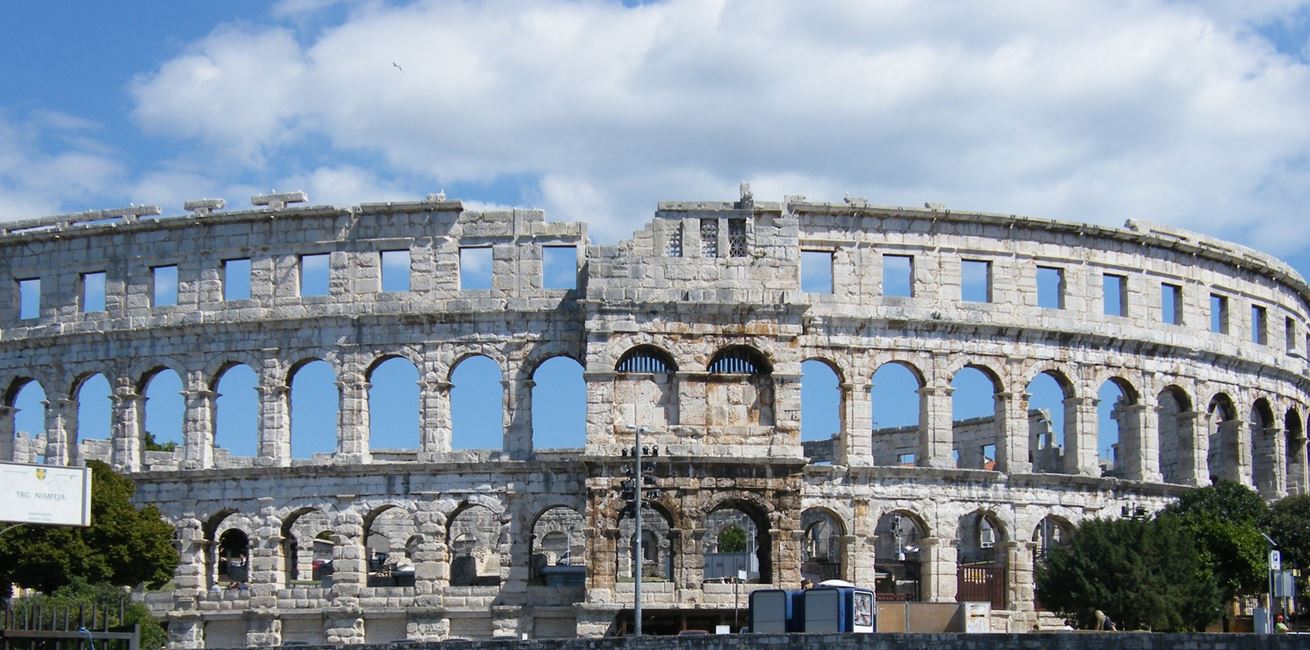
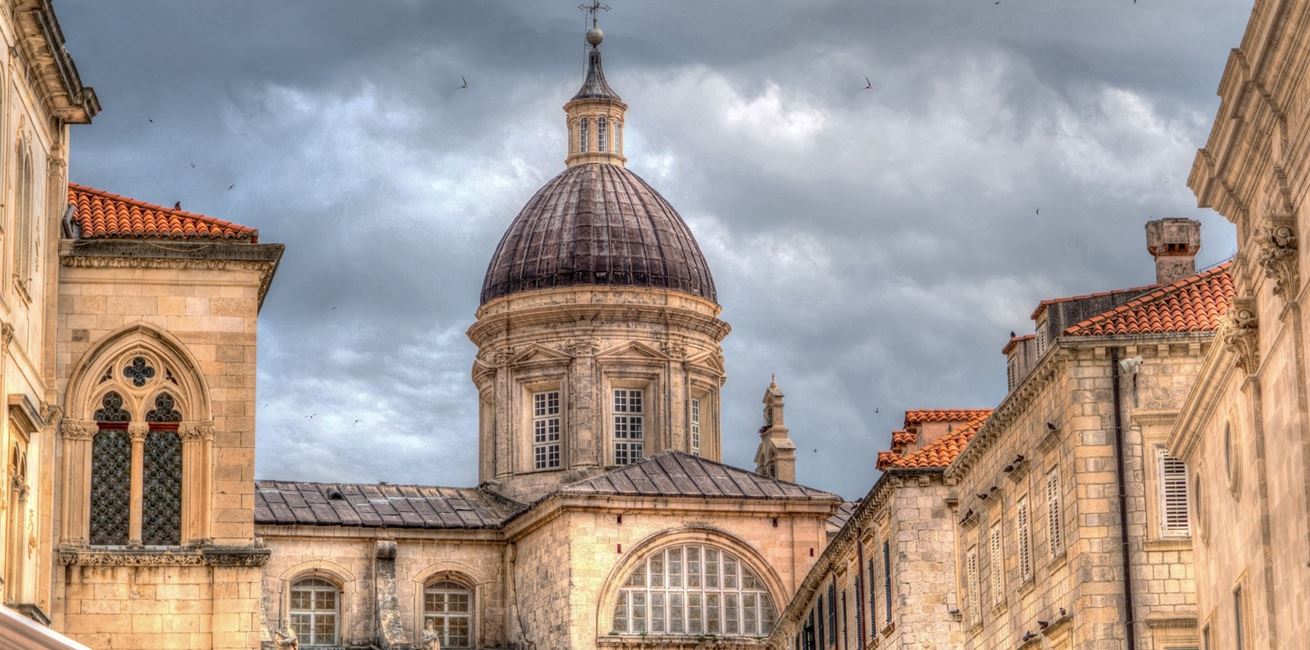
larger story easy to read in stone: Roman remains, Venetian-era
towns and Austro-Hungarian elegance all appear as you travel.
One of the simplest
ways to get a sense of Croatia's heritage is through its UNESCO
World Heritage sites. The country has several, including:
- Episcopal complex of the Euphrasian
Basilica in the historic centre of Poreč
- Cathedral of St James in Šibenik
- Historic city of Trogir
- Diocletian's Palace (Split)
- Old City of Dubrovnik
- Plitvice Lakes National Park
- Stari Grad Plain on Hvar (an ancient
agricultural landscape)
Best for: understanding the country through its cities, coast and
landscapes